


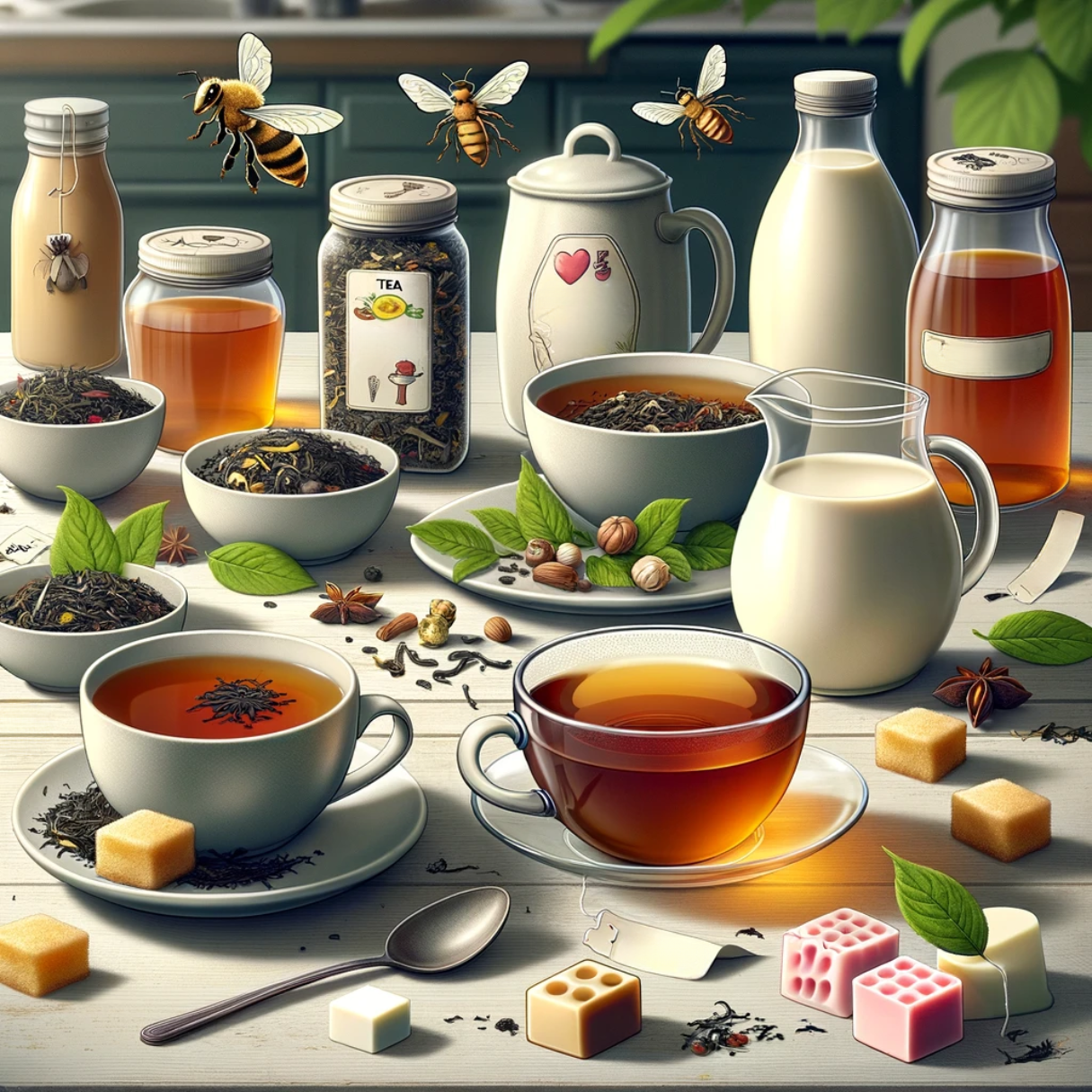
On one of my previous posts, there was an interesting comment about all tea being vegan and I just wanted to raise awareness about why this may not be the case.
Tea, one of the world’s most beloved beverages, is celebrated for its variety, health benefits, and the sheer joy it brings to our daily rituals. For vegetarians and vegans, tea is often a go-to choice, presumed to be a simple infusion of water and dried leaves. However, the journey from a seemingly straightforward cup of tea to maintaining strict dietary principles can be more complex than it appears. In this post, we’ll explore why all teas are not inherently vegan.

Understanding Tea and Its Ingredients
At its essence, tea is a plant-based delight. However, the complexity of modern tea varieties often introduces ingredients that may not fit vegetarian or vegan diets. From the hidden depths of flavourings to the optional swirl of milk or honey, understanding what goes into your tea is key to maintaining dietary integrity.
Flavourings in Tea: A Double-Edged Sword The quest for unique flavours has led to the inclusion of various flavourings in tea, which can be broadly categorized into natural and artificial.
- Natural Flavorings are derived from plant, fungi, and sometimes animal sources. While they can enrich tea with authentic tastes, vegetarians and vegans should be wary of animal-derived ingredients. For instance, certain natural flavourings might use dairy derivatives for creamy notes or, although rare and more common in perfumery, animal secretions like castoreum for vanilla-like flavours.
- Artificial Flavorings, on the other hand, are synthesized to mimic natural tastes. They do not come from animal or plant materials directly and are generally considered suitable for vegetarians and vegans. Yet, ethical and environmental concerns might still influence personal choices around tea flavoured artificially.
An example of this could be Earl Grey and Bergamot. Earl Grey tea, distinguished by its characteristic bergamot aroma, often relies on natural bergamot flavour or oil. However, consumers must note that some blends might enhance this citrusy profile with additional natural flavourings that could be non-vegetarian. While pure bergamot flavour itself is vegan-friendly, the inclusion of other natural flavourings demands scrutiny from those on strict diets.
Some artisanal tea blends may also contain added confectionary items that may also contain non-vegan ingredients.
Honey Infusions and Dairy Products: Optional but Impactful, as most vegans will know Honey, sometimes used to make “sticky tea blends” and also as a common sweetener in teas, including herbal varieties, is not vegan. Similarly, the traditional addition of dairy products to tea, whether for texture or taste, poses a dilemma for vegans. Opting for plant-based milk or sweeteners can ensure these tea rituals remain inclusive.
Herbal Teas: A Closer Look Herbal teas, or tisanes, expand the tea landscape with a bouquet of flavours from fruits, flowers, spices, and herbs. Yet, even these plant-centric brews can encounter the same flavouring and sweetening pitfalls as their leaf-based counterparts, underlining the importance of vigilance across all tea types.
Here is a cheat sheet of things to look out for as a vegan when choosing your next cuppa. Examples of non-vegan teas that one might encounter in the broader market:

- Teas with Honey: Any tea pre-infused with honey or recommended to be sweetened with honey is not vegan, as honey is an animal product.
- Milk Teas: Traditional milk teas or those blends that encourage the addition of dairy milk as part of their consumption experience are not vegan unless plant-based milk alternatives are used. Most Boboa or Bubble Milk Teas are made using dairy powders, so it is always a good idea to ask before buying.
- Teas with Added Animal Derivatives: Some speciality teas might include animal-derived ingredients for flavouring, such as gelatin (used in some fruit-flavoured teas for a fuller mouthfeel) or confectionery pieces that contain dairy or eggs.
- Teas with Cochineal/Carmine or E120: which indicate the presence of these dyes. red dye made from beetles, used in some fruit-flavoured teas, blended teas, instant tea powders and bottled teas to achieve a vibrant colour.
- Teas with Silk: Tea Bags with Silk Sachets: Some luxury tea brands use silk mesh for their tea bags instead of paper or synthetic materials. While the tea leaves themselves are plant-based, the use of silk for the packaging would make the product non-vegan.
- Earl Grey with Added Flavourings: As mentioned earlier, some Earl Grey blends might include non-vegan natural flavourings to enhance the bergamot oil.
Navigating the vegetarian and vegan aspects of tea consumption demands an attentive eye to ingredients and a deep understanding of what constitutes natural and artificial flavourings. At Mindful Roots Tea, we ensure that our speciality teas, including classic Earl Grey or soothing herbal blends, are crafted to align with these dietary preferences without compromise. Our commitment to providing ethically sourced, sustainable, and eco-friendly products means that every tea we offer, appreciated for its traditional remedies and modern twists, is vegan-friendly. This approach allows our customers, especially those who are environmentally conscious and adhere to holistic wellness, to savour a diverse tapestry of tea culture. By prioritizing transparency and awareness, tea enthusiasts can celebrate their beloved rituals, confident in the knowledge that their choices resonate with personal ethics and dietary principles, reflecting a harmonious balance between their cup and their conscience.
